



BitcoinWorld 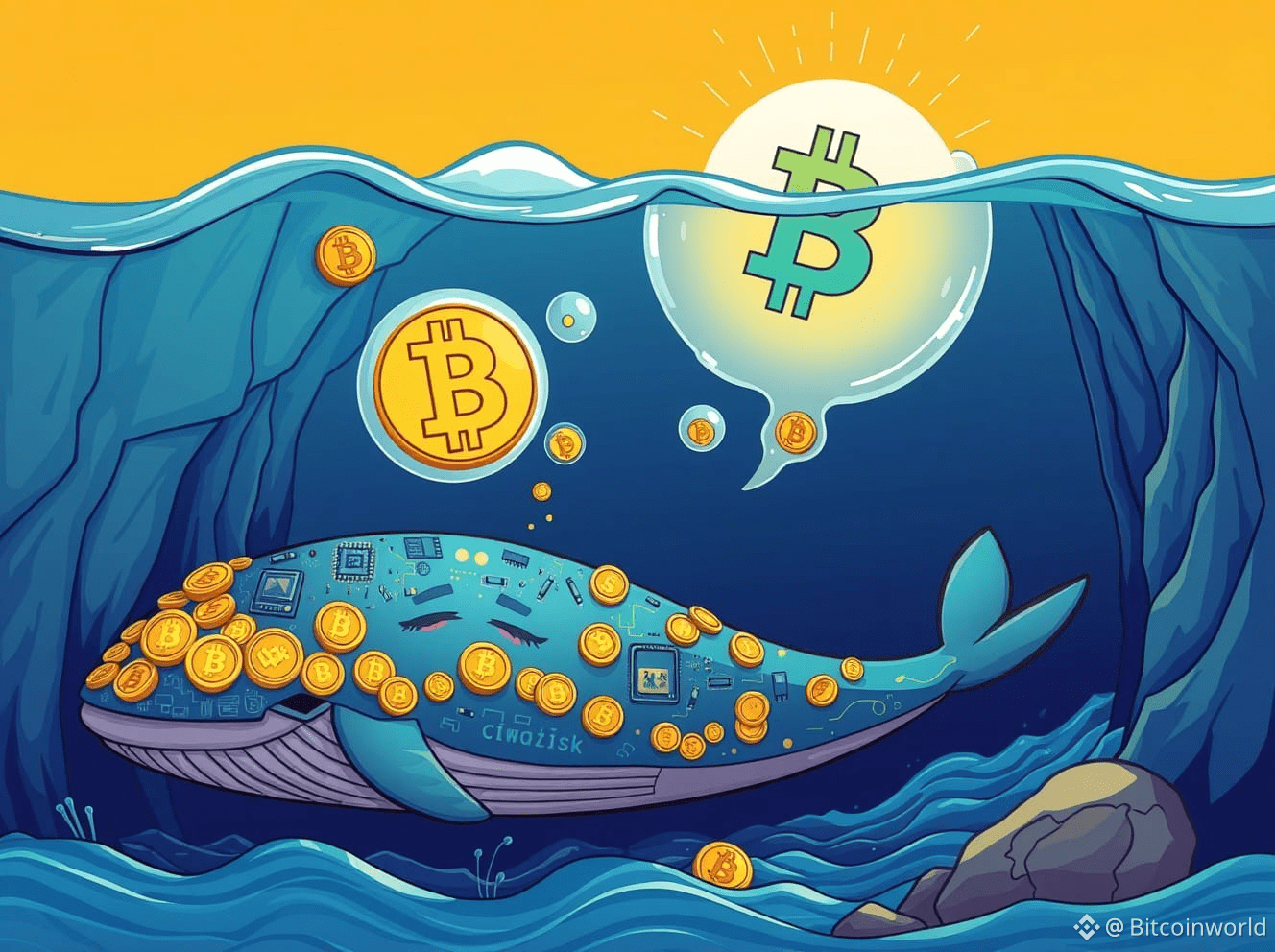 Bitcoin Whale Awakens: Dormant Giant Deposits $18.5M to Binance After 3-Year Slumber
In a stunning move that has sent ripples through the crypto community, a long-dormant Bitcoin whale has suddenly awakened. Onchain data reveals that this mysterious holder, inactive for three full years, deposited a staggering 200 BTC—valued at approximately $18.5 million—to the Binance exchange. This single transaction raises immediate questions: Is this a signal of a major market shift, or simply a personal portfolio adjustment? Let’s dive into the implications of this significant Bitcoin whale activity.
What Does This Bitcoin Whale Movement Signal?
When a Bitcoin whale of this magnitude stirs after such prolonged dormancy, analysts and traders pay close attention. These large holders, often called “whales,” possess the power to influence market sentiment and price action with their trades. The deposit to Binance, a leading centralized exchange, typically suggests an intent to sell, trade, or use the funds within the exchange’s ecosystem. However, the true motive remains hidden behind the anonymous wallet address. This action forces us to consider several potential scenarios for the Bitcoin market.
Decoding the Potential Motives Behind the Move
Why would a Bitcoin whale break a three-year silence? Let’s explore the most common reasons for such a substantial transfer.
Profit-Taking: The whale may believe Bitcoin has reached a local price peak and is securing gains. With BTC’s price significantly higher than three years ago, this is a logical possibility.
Portfolio Rebalancing: The holder might be diversifying into other cryptocurrencies or traditional assets, requiring a liquid position on an exchange.
Obligation Fulfillment: The funds could be needed for a business transaction, tax payment, or other financial commitment.
Market Manipulation Fear: Sometimes, a large sell order can trigger stop-losses and create buying opportunities at lower prices for the same whale.
Without further on-chain clues, pinpointing the exact reason is challenging. However, the timing and scale are undeniably noteworthy for any Bitcoin investor.
How Should Bitcoin Traders and Investors React?
For the average Bitcoin holder, news of whale movements can be anxiety-inducing. The key is to avoid impulsive decisions. A single Bitcoin whale transaction, while large, is just one data point in a vast and complex market. Consider it a piece of the puzzle, not the entire picture. Therefore, savvy market participants should monitor for follow-up activity from this and other whales, while also weighing broader macroeconomic factors and Bitcoin’s own network fundamentals. A balanced perspective is crucial.
The Bigger Picture: Whale Activity and Market Health
Ultimately, the awakening of a dormant Bitcoin whale is a reminder of the market’s dynamic nature. It highlights the concentration of wealth in cryptocurrency and the outsized influence a few entities can have. For a healthy, long-term market, a gradual distribution of coins from old whales to a broader base of new holders is often seen as a positive sign. This event may be a small step in that direction. While it introduces short-term uncertainty, it also demonstrates liquidity and ongoing interest from major players.
In conclusion, the $18.5 million Bitcoin whale deposit is a fascinating on-chain narrative but not a definitive market signal. It underscores the importance of monitoring whale wallets as part of a comprehensive investment strategy, yet it should not override one’s core thesis on Bitcoin. The market has absorbed larger moves, and this whale’s awakening is more a chapter in an ongoing story than its dramatic finale.
Frequently Asked Questions (FAQs)
Q1: What is a Bitcoin whale? A: A Bitcoin whale is an individual or entity that holds a very large amount of Bitcoin, typically enough that their buying or selling activity can noticeably impact the market price.
Q2: Why is a dormant whale moving coins considered significant? A: Long dormancy often indicates a strong conviction holder (a “HODLer”). When they finally move coins, it can signal a major change in their outlook, potentially foreshadowing a market trend shift.
Q3: Does depositing to Binance always mean they will sell? A: Not always. While it increases the likelihood, whales also use exchanges for trading into other crypto assets, participating in launches, or using advanced financial products like loans and derivatives.
Q4: How can I track whale activity myself? A: You can use blockchain explorers (like Blockchain.com) or dedicated analytics platforms (like Glassnode or IntoTheBlock) that track large transactions and wallet movements.
Q5: Should I sell my Bitcoin if a whale is selling? A: Not necessarily. One transaction is a single data point. It’s more important to consider your own investment goals, risk tolerance, and the overall market context rather than reacting to one event.
Q6: How common are these large dormant whale movements? A: They are relatively rare but periodic events. As Bitcoin matures, the activation of coins from early miners and investors from years past continues to occur, adding to market liquidity.
Did this analysis of the dormant Bitcoin whale help you understand market dynamics better? If so, share this article with your network on X (Twitter), Telegram, or LinkedIn to spark a conversation about the latest in on-chain intelligence and what it means for the future of crypto!
To learn more about the latest Bitcoin trends, explore our article on key developments shaping Bitcoin price action and institutional adoption.
This post Bitcoin Whale Awakens: Dormant Giant Deposits $18.5M to Binance After 3-Year Slumber first appeared on BitcoinWorld.
