When I first entered the crypto world, I was like a fool staring at the K-line—every time the MACD turned, I got nervous, and when the RSI exceeded the buying limit, I trembled. And the result? Three years, a full three years! Not only did I lose all the hard-earned money I saved from working, but I also ended up with a mountain of online debt, with even the lady selling buns downstairs looking at me with pity.
Today, let's uncover the technical analysis truths that no one dares to speak openly about! I guarantee that after reading this, your understanding of trading will definitely reach a new level—don't be fooled by those 'standard operations' anymore; what really works in practice is the real deal!
Have you ever learned these 'universal technical analyses'? For instance, going long when prices hit support levels, or shorting when seeing long lower wicks at resistance levels, thinking that just following these will guarantee profits? But in actual trading, why do you either get stopped out by false breakouts or make small profits from counter-trend trades only to lose big? The core issue is: you only remembered the 'surface operations' without understanding the underlying truths. The market is ever-changing, and memorizing by rote will eventually confuse you, falling into a cycle of 'losing more as you trade'.
Today I’ll explain these 5 core truths thoroughly and tell you how to avoid pitfalls, making it easy for beginners to get started!
The Truth 1
Support/resistance levels are not a single line
It’s a range
Most traders draw support and resistance levels as a lonely line, then wait for prices to precisely touch it before entering, thinking 'once it hits the line, it should rebound.' But the real market doesn’t follow this script:

You think when prices break resistance, it’s time to go long, but it turns out to be a false breakout, and you get stopped out as soon as you enter;
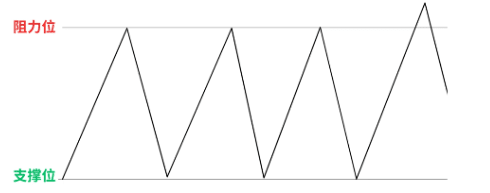
When you see the support level seemingly broken, you rush to short, and then the price quickly rebounds, the false breakdown sweeps you out of the market.
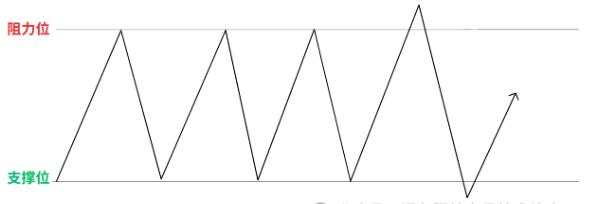
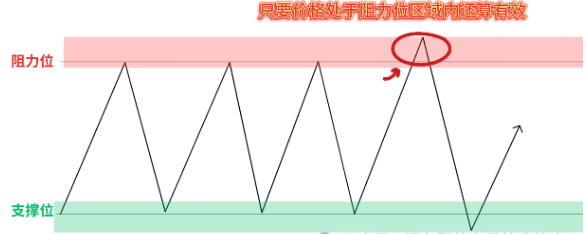
This is not about technical analysis being useless, it's that you misunderstood! Support and resistance levels are never precise 'lines', but rather 'zones' of supply and demand — after all, every trader draws different lines, and price fluctuations won't precisely touch the lines. Trading based on a single line is bound to get you trapped.
The correct approach is super simple: draw support/resistance levels as a range. As long as prices stay within this range, it’s considered valid.
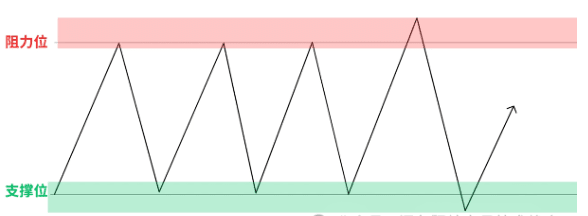
For instance, when drawing resistance levels, include a range around previous highs; as long as a bearish candlestick pattern (like a bearish engulfing) appears within this area, then enter short. This significantly reduces the interference of false breakouts, naturally increasing the trading win rate.
The Truth 2
Don’t 'blindly adjust' trendlines
Use it as a 'zone'!
Many people who trade trends have a bad habit: they draw a trendline, and as soon as the price breaks it, they rush to redraw it to fit the price movement.
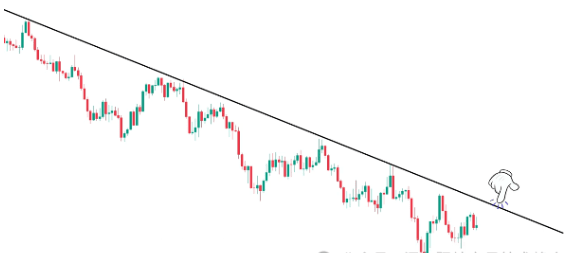
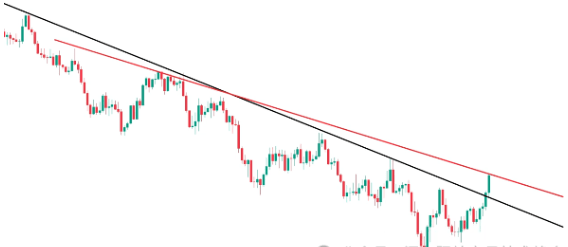
For example, in a downtrend, the price breaks upward through the trendline; you’re unwilling to accept it and redraw it to a gentler slope, waiting for the price to pull back to short again. As a result, prices keep rising, and you get trapped, losing heavily.
This is similar to the principle of support/resistance levels: trendlines are not 'precise lines', but 'fluctuation zones'. The correct approach is to leave room for fluctuations when drawing trendlines, treating them as a range.
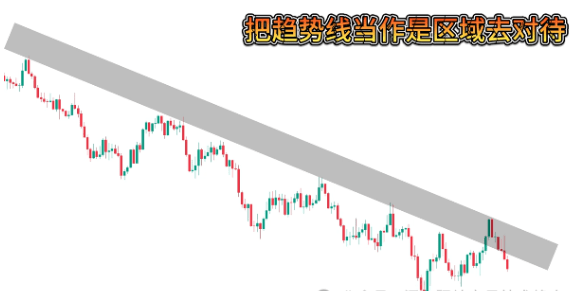
For example, in a downtrend, draw a channel with a range; as long as the price remains within this range and shows bearish signals, then enter short. This way, you won’t be anxious to redraw the line due to small price fluctuations and can also avoid many false breakout traps.
The Truth 3
Don't 'believe in the past' when trading breakouts
Risk control is the bottom line!
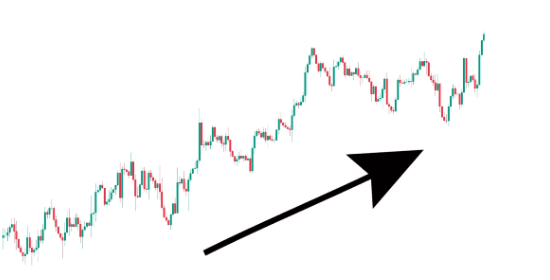
Many traders who engage in breakout trading often make a mistake: seeing that prices surged after previous breakouts, they think the next one will definitely make them money, so they go all in.
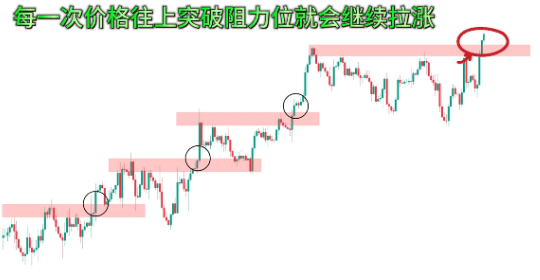
What’s the result? The price directly makes a false breakout, triggering stop losses on your heavily invested positions, and you lose all the previous gains.
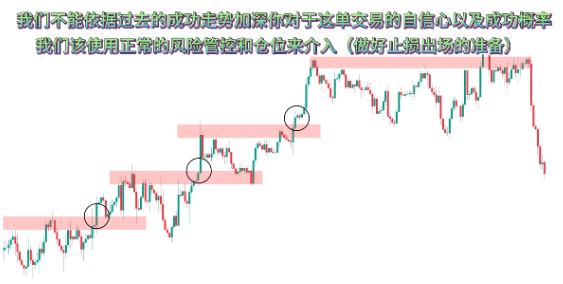
The truth about trading is: there is no 100% successful strategy! Even if the past 10 breakouts were successful, the 11th could fail. The market is ever-changing, and past movements do not represent future probabilities. So no matter how confident you are about a breakout, or how perfect the technical signals seem, you must follow normal risk control — enter with small positions, and set stop losses when necessary; don’t take past successes as a reason to amplify risk. Remember: the core of breakout trading is not 'betting on success', but 'being prepared for failure'.
The Truth 4
Don’t expect to 'make money immediately' after entering
Leave enough space for stop losses!
Do you often encounter such frustrating situations: after a price breakout, it pulls back to the support level, and you even see a bullish engulfing pattern.
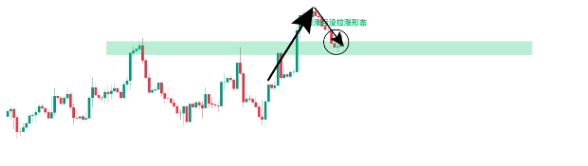
You enter a long position with great excitement, but the price not only doesn’t rise, it goes in the direction of loss, and only starts to rise after hitting your stop loss?
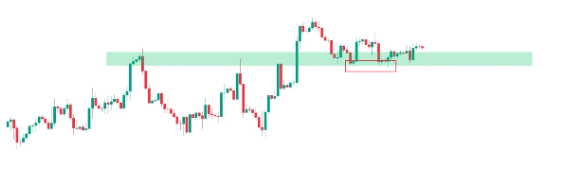
This is actually the norm in trading; it's not that you analyzed it wrong, it's that prices won't 'act immediately' as you expect. We can't change the market, but we can adjust our stop-loss strategy: don’t set stop-losses too close; leave enough room for price fluctuations. Here’s a practical tool I recommend — the ATR indicator (Average True Range), which helps you calculate the normal range of price fluctuations.
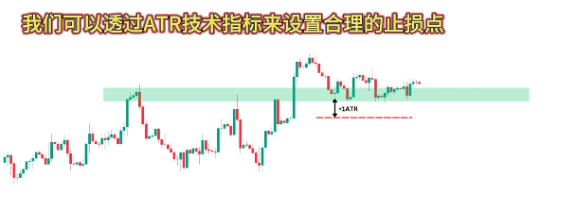
For instance, when going long at the support level, set the stop loss just below the support level +1 ATR value, leaving enough room for price fluctuations to avoid being stopped out by small pullbacks. After all, our entry logic is 'the support level is valid'; as long as prices don't effectively break below the support zone, it's worth holding on, don’t panic and exit due to minor fluctuations.
The Truth 5
Trend-following trading is not a 'slogan'
It’s the core of high-probability profit!
Many traders love to 'catch the bottom and top': when prices skyrocket, they think it has gone too far and short against the trend; when prices plummet, they think it's too cheap and go long against the trend. Occasionally, they may make some small profits, but in the long run, they will undoubtedly lose.
The core logic of trading is 'probability': the win rate and profit potential of trend-following trades is much higher than that of counter-trend trades.
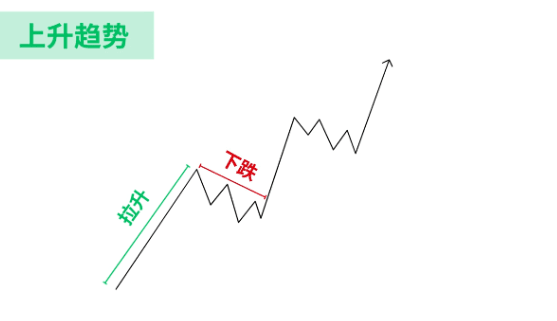
For example, in an uptrend, the probability and extent of price increases are inherently greater than pullbacks, hence the structure of 'higher highs, higher lows' forms;
In a downtrend, the probability and extent of price declines far exceed rebounds. From a probability perspective, trading with the trend is equivalent to standing on the side of 'high probability', making profit naturally easier.
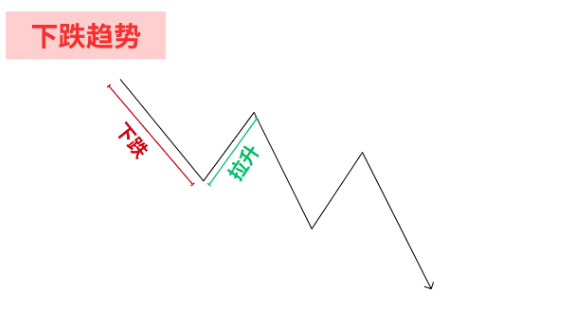
The correct approach is: use the majority of your positions for trend-following trades; go long in an uptrend and short in a downtrend; if you really want to try counter-trend trading, use only a small position and implement strict risk control, don’t treat counter-trend trading as your main strategy.
Let’s sum it up in the end
There’s nothing wrong with technical analysis itself; many people lose money simply because they only memorize 'patterns and rules' without understanding the underlying truths. Remember these 5 cores, and you’ll avoid many detours in trading:
Support/resistance levels are zones, not lines;
Don’t adjust trendlines blindly; treat them as zones;
Don’t believe in the past for breakout trading; prioritize risk control;
Leave room for price fluctuations after entering, use ATR to set stop losses;
Trend-following trading is key; don’t get addicted to catching bottoms and tops;
Trading is not about 'guessing the market', but about 'understanding market rules + effective risk control'. Once you grasp these truths and combine them with practical experience, you’ll find that technical analysis is actually very useful, and your losses will gradually decrease, paving the way for stable profits!
If you are also a technical enthusiast and are quietly researching technical operations in the crypto space, you might want to follow @慢慢赢_实盘带单 ; you will gain more insights!