

Bitcoin pulled back from recent highs as selling pressure returned across the broader digital asset market. At the time of reporting, BTC was trading near $90,000, extending a decline from its latest peak.
The retracement revived ongoing debates around Bitcoin’s cyclical volatility, even as institutional access to the asset continues to expand through regulated investment vehicles.
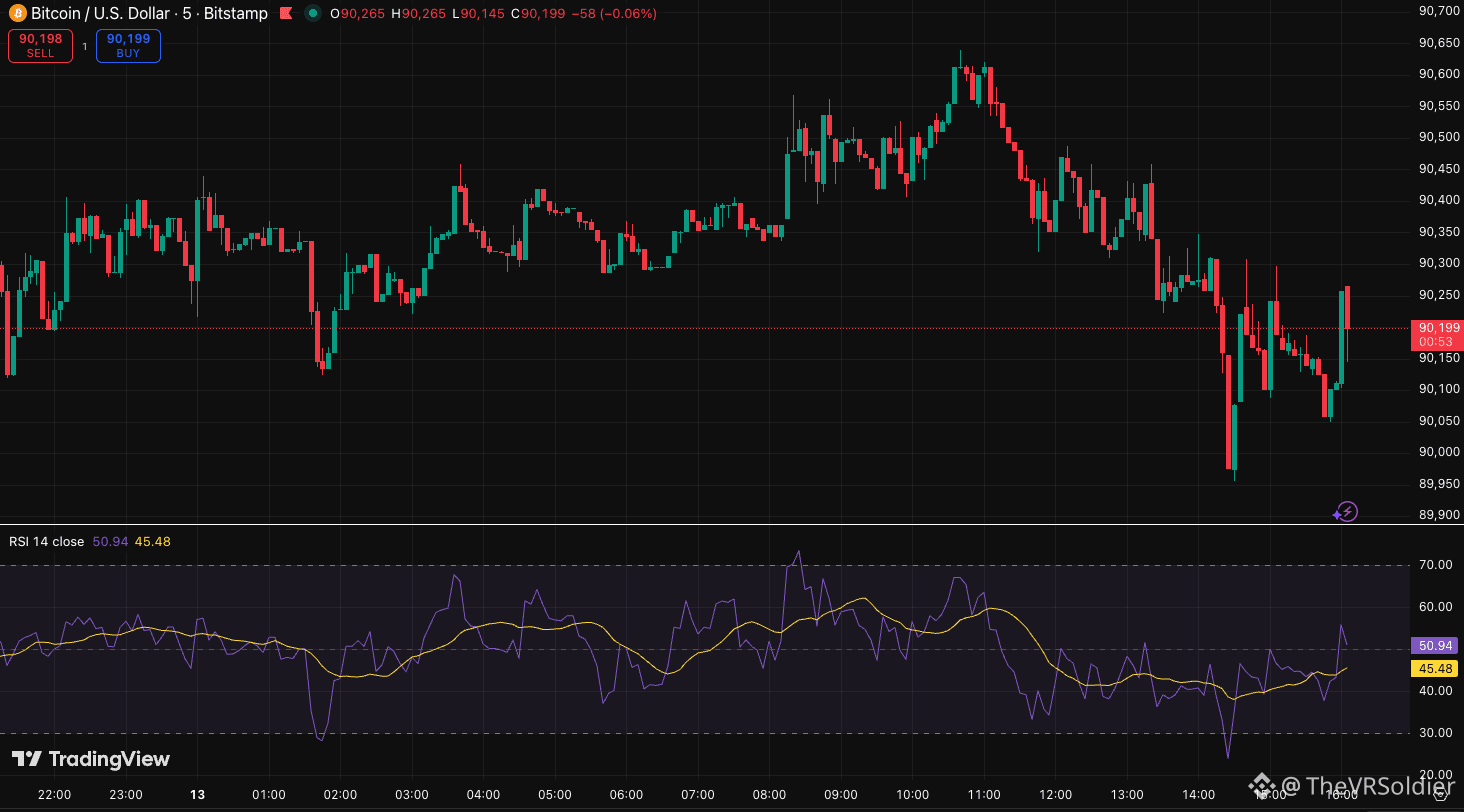 Source: Trading View Vanguard Reiterates Its Position on Bitcoin
The latest market weakness coincided with renewed criticism from Vanguard, one of the world’s largest asset managers. Despite allowing clients to trade spot Bitcoin exchange-traded funds on its brokerage platform, the firm continues to publicly distance itself from the asset.
Speaking at Bloomberg’s ETFs in Depth event in New York, John Ameriks, Vanguard’s Global Head of Quantitative Equity, questioned Bitcoin’s role as an investment. He compared the cryptocurrency to a popular collectible toy, referring to it as a “digital Labubu.”
Ameriks used the comparison to restate Vanguard’s long-standing view that Bitcoin lacks traditional investment characteristics. According to him, Bitcoin generates no income, produces no cash flow, and does not compound in value through productive activity. For these reasons, Vanguard categorizes it as a collectible rather than a productive financial asset.
He added that the firm has not seen sufficient evidence that Bitcoin’s underlying technology delivers durable economic value. His remarks align with historical criticisms that liken Bitcoin to past speculative episodes such as tulip mania or collectible booms, where value was driven largely by scarcity narratives rather than underlying fundamentals.
Access Without Endorsement
The comments stand in contrast to Vanguard’s recent policy changes. Under the leadership of newly appointed CEO Salim Ramji, a former BlackRock executive with experience in digital asset markets, Vanguard reversed its long-standing resistance to crypto-related products.
The firm now permits clients to trade exchange-traded funds holding cryptocurrencies such as Bitcoin, Ethereum, XRP, and Solana. These products are available alongside more traditional assets like equities and commodities on Vanguard’s brokerage platform.
Ameriks explained that the decision followed the approval of spot Bitcoin ETFs in January 2024, which improved market infrastructure and liquidity. However, he stressed that offering access does not equate to endorsement.
Vanguard does not provide investment recommendations related to cryptocurrencies and does not guide clients on whether to buy or sell digital assets. Instead, the firm positions itself as a neutral platform provider responding to client demand while maintaining its internal investment philosophy.
A Deliberate Distance From Crypto Exposure
Vanguard began offering access to crypto-focused ETFs and related mutual funds to its brokerage customers in early December. The move marked a significant shift for the firm, which manages approximately $12 trillion in assets and serves more than 50 million clients.
According to Andrew Kadjeski, Vanguard’s head of brokerage and investments, the ETF structure has demonstrated resilience during periods of market volatility and has maintained sufficient liquidity. These characteristics made the products suitable for inclusion on the platform from an operational standpoint.
Despite this, Vanguard has not launched proprietary crypto products and continues to publicly question Bitcoin’s investment merit. The firm’s approach highlights a growing divide between providing market access and expressing institutional conviction.
As crypto markets mature, Vanguard’s stance reflects a broader tension facing traditional asset managers. While client demand and regulatory developments are expanding access, skepticism around long-term economic value remains firmly embedded in parts of the financial establishment.
The post ‘Digital labubu’: Despite Bitcoin Expanding Access Vanguard Maintains Skepticism first appeared on The VR Soldier.


