

blockchains, for all their elegance, do not live in the world. They live in closed systems of logic. They know what is written, but they do not know what is happening. The moment a decentralized application needs a price, an outcome, a random event, or a signal from outside its own chain, it must rely on something else. That moment is where trust quietly returns, and APRO is built to make that return disciplined rather than dangerous.
AT one perspective, APRO feels less like infrastructure and more like judgment encoded into software. Data is not treated as an unquestionable input. It is treated as a claim about reality that must be examined before it is allowed to shape irreversible decisions. This is why the mix of off-chain and on-chain processes matters. Off-chain systems give APRO room to think, to compare, to analyze, and to verify using AI-driven techniques that would be inefficient or impossible on-chain. On-chain systems then act as the public record, where outcomes are locked into shared consensus. The separation is not accidental. It reflects an understanding that intelligence and accountability do not live in the same place.
AT the level of how information moves, the distinction between Data Push and Data Pull reveals something almost philosophical about relevance. Some truths demand constant presence. Market prices, volatility, and fast-moving game states lose meaning if they arrive late. Other truths are situational. They matter only when someone asks the question. APRO allows applications to decide how they want to listen to the world. This choice reduces noise, lowers costs, and improves responsiveness, all without forcing developers into rigid patterns. It is a quiet flexibility that only becomes obvious when it is missing.
AT the safety layer, APRO’s two-layer network system reflects a hard-earned lesson from both traditional finance and decentralized systems: most failures are subtle. Data is rarely wrong in obvious ways. It is slightly delayed, narrowly sourced, or gently manipulated. By separating data collection from validation, APRO creates internal tension, a space where information must justify itself. AI-driven verification adds another dimension, not as a final authority, but as a continuously learning filter that looks for patterns humans would also distrust if given enough time. It is skepticism built into the system.
AT the dimension of randomness, APRO touches something deeply human. Randomness is not just a technical function; it is a promise of fairness. In decentralized games, NFT distributions, and governance processes, people care intensely about whether outcomes feel honest. Verifiable randomness transforms chance into evidence. It allows participants to see that no one had the power to tilt the outcome. In environments where trust is fragile, this transparency is not optional. It is essential.
Looking at APRO from the angle of asset diversity, its support for cryptocurrencies, stocks, real estate, and gaming data signals a belief that blockchains are moving beyond isolated digital economies. As decentralized systems begin to reflect real economic activity, the cost of bad data rises dramatically. Real-world assets bring legal, financial, and social consequences that demand higher standards. APRO’s design suggests preparation for that responsibility rather than reaction to it. It is built to handle variety, not just volume.
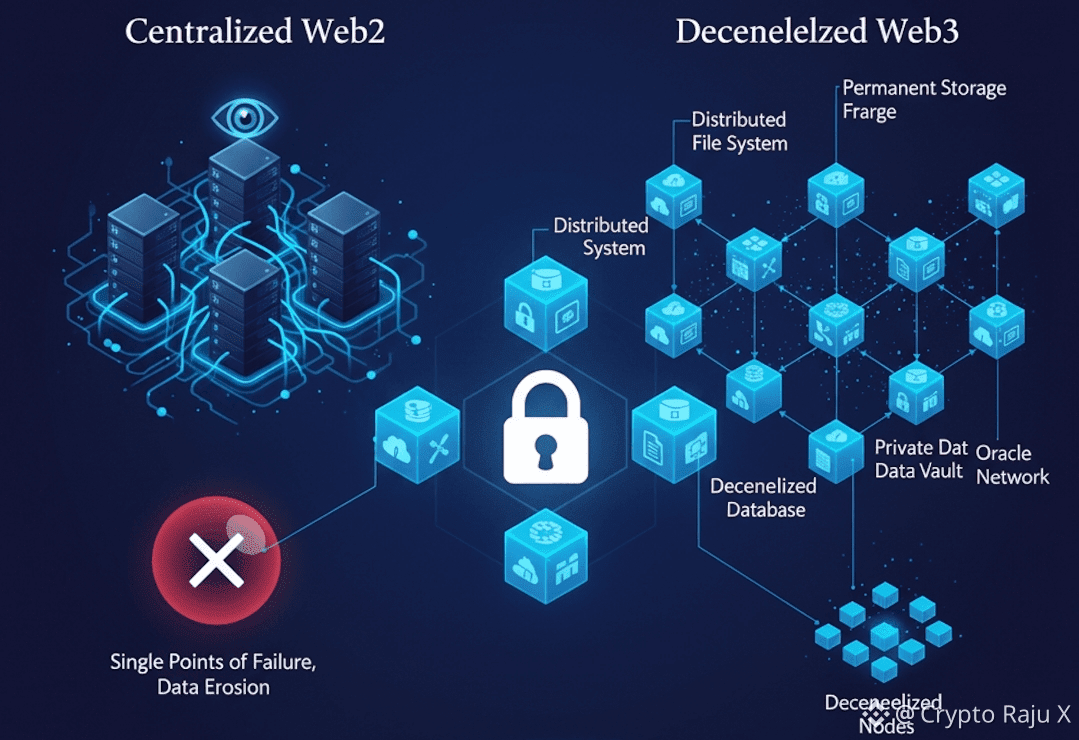
AT the cross-chain level, APRO aligns with a reality that has already arrived. There is no single chain that owns the future. Different blockchains optimize for different needs, and users move between them fluidly. Data that cannot follow becomes friction. By operating across more than 40 networks, APRO positions itself as connective tissue rather than a feature of any single ecosystem. This neutrality gives it resilience in a space defined by constant change.
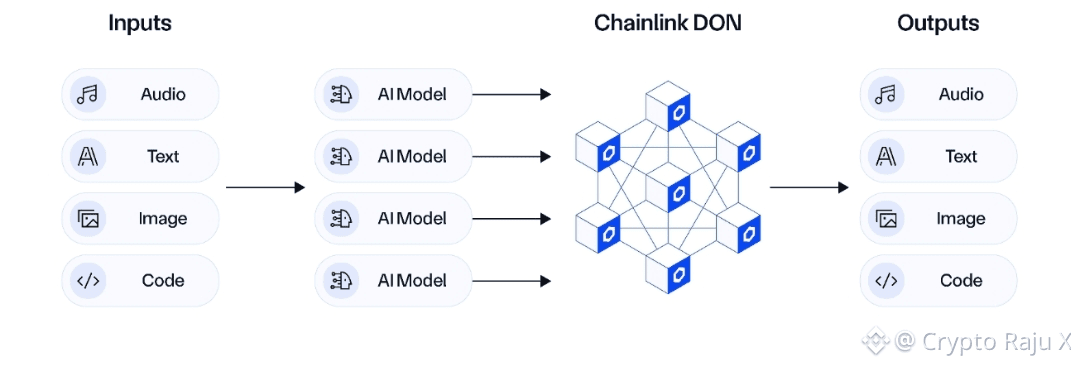
From a performance and cost perspective, APRO quietly challenges an assumption many developers have internalized: that reliable oracles must be expensive. Much of the historical cost of oracles comes from inefficiency, not necessity. By integrating closely with blockchain infrastructures and simplifying integration, APRO reduces redundant calls and unnecessary on-chain computation. Lower costs do not just save money. They change behavior. Developers become more ambitious. Applications become more refined. Systems become more sustainable.
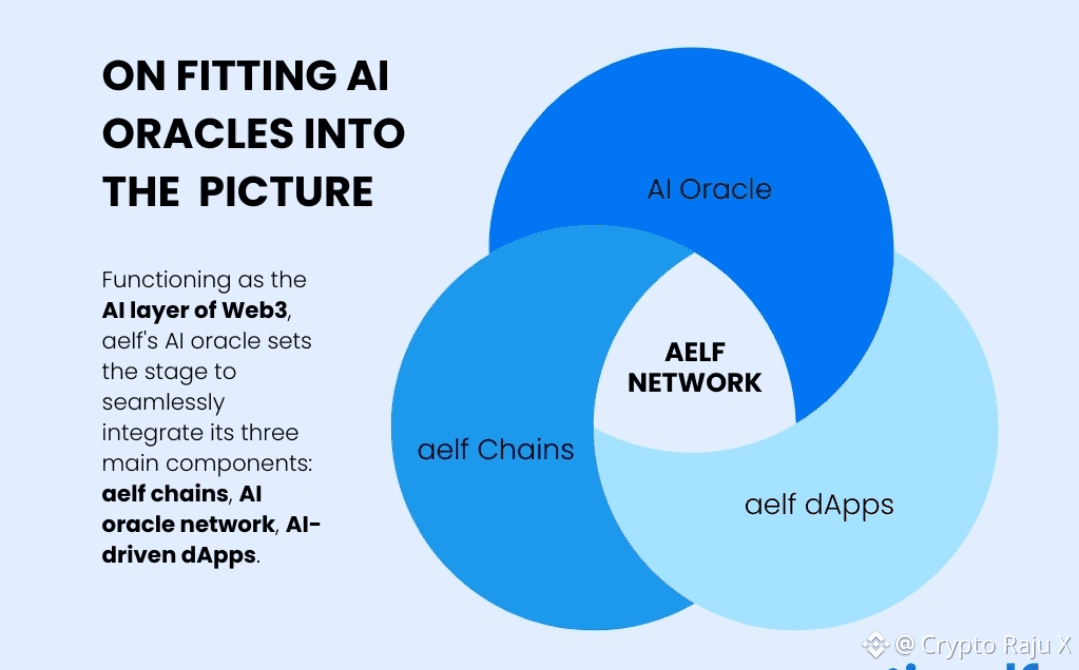
AT a human level, APRO’s tone is restrained. It does not promise perfect truth in a world that refuses to be perfectly measured. It does not claim to remove trust entirely. Instead, it reshapes trust into something layered, observable, and continuously tested. This approach aligns naturally with the principles emphasized across responsible ecosystems: transparency, user protection, and long-term stability over short-term excitement.
AT its deepest layer, APRO represents blockchain technology growing up. Early narratives focused on replacing trust with mathematics. Experience has shown that trust is not eliminated, but redesigned. It becomes distributed, constrained, and reinforced by structure. APRO embodies this evolution. It does not ask applications or users to believe blindly. It gives them reasons to believe, grounded in verification, redundancy, and careful design.
In the end, APRO does its best work when it is barely noticed. When data arrives on time, when outcomes feel fair, when cross-chain applications behave predictably, few people stop to ask how the information reached the chain. AT that moment, APRO has fulfilled its role. It has quietly held the fragile boundary between reality and code steady, allowing decentralized systems to act with confidence in a world that is always moving.


