As the Iranian public frantically transfers Bitcoin into personal wallets due to the currency collapse, Wall Street is preparing for the explosion of over 100 cryptocurrency ETFs in 2026, two seemingly unrelated phenomena jointly marking a watershed moment in Bitcoin's evolution from an underground financial tool to a mainstream safe-haven asset.
The behavior of extracting Bitcoin from local exchanges in Iran to unallocated personal wallets has surged, indicating that during the protests, Iranians are acquiring and controlling Bitcoin at a pace far beyond previous levels.
Around the same time, Bloomberg intelligence analyst James Seyfarth predicted that 2026 would see a surge in cryptocurrency ETF issuances, with many products likely to be liquidated or delisted before 2027.
The exchange rate of the rial against the dollar has fallen from about 420,000 to over 1,050,000, rapidly eroding purchasing power.
 One, The Desperate Choices of the People
Iran is experiencing multiple pressures from internal and external sources. Since December 28, 2025, large-scale protests have erupted in the country.
● On January 8, there were over 150 protests across Iran, covering 27 provinces, with armed conflicts occurring in some areas. Meanwhile, tensions between the United States and Iran are also escalating. U.S. President Trump is delaying a decision on military strikes against Iran but has begun to withdraw or suggest the withdrawal of some personnel from key areas in the Middle East.
● Economically, the Iranian fiat currency rial is experiencing catastrophic devaluation. Data shows that the exchange rate of the rial against the dollar has fallen sharply from about 420,000 to over 1,050,000 in a short period. In some areas, the black market exchange rate has even dropped to 1,340,000-1,400,000 rials per dollar.
● Against this backdrop, Bitcoin, due to its decentralization, censorship resistance, and cross-border transfer characteristics, has become an important tool for the Iranian people to combat currency collapse and economic instability.
 Two, The Highlight of Bitcoin's Safe-Haven Attributes
● Chainalysis's report reveals a key trend: from the start of protests to the network shutdown, the BTC withdrawal transactions from local Iranian exchanges to unknown personal wallets significantly increased. This surge indicates that during social turmoil, the Iranian people are self-custodying Bitcoin at a higher frequency.
● Bitcoin is evolving from a speculative asset into a store of value and economic hedge option in the eyes of some people. By 2025, the scale of the Iranian cryptocurrency ecosystem has exceeded $7.78 billion, growing significantly faster than the previous year.
● Interestingly, it is not only ordinary citizens; Iranian government agencies are also deeply involved in cryptocurrency activities. Addresses related to the Iranian Islamic Revolutionary Guard Corps accounted for over 50% of the total amount received in Iranian crypto assets in the fourth quarter of 2025, with an on-chain processing amount exceeding $3 billion for the year.
The IRGC transferred approximately $1 billion worth of cryptocurrencies through two exchanges registered in the UK between 2023 and 2025.
Three, The Prosperity and Concerns of the ETF Market
● While geopolitical turmoil boosts Bitcoin's safe-haven demand, the traditional financial world is also opening new doors for cryptocurrencies. On September 17, 2025, the SEC approved a universal listing standard for cryptocurrency exchange-traded products, shortening the product listing cycle to 75 days.
● Bitwise predicts that over 100 cryptocurrency-related ETFs will be launched in 2026. Bloomberg's senior ETF analyst James Seyfarth supports this prediction but also issued a warning: 'We will witness a massive wave of ETF liquidations.' This pattern of 'explosive growth and rapid elimination' will become the next phase of cryptocurrency ETF development.
● This rule is akin to the SEC's reform of stock and bond ETFs in 2019: at that time, the annual number of new ETFs soared from 117 to over 370, followed immediately by fee compression, with dozens of small funds being liquidated over the next two years.
Four, The 'Single Point of Failure' Risk of Crypto ETFs
● Currently, there is a significant structural issue in the cryptocurrency ETF market—high concentration of custody rights. Coinbase holds assets for the vast majority of cryptocurrency ETFs, with a market share as high as 85% in the global Bitcoin ETF market. By the third quarter of 2025, Coinbase's custody assets had reached $300 billion.
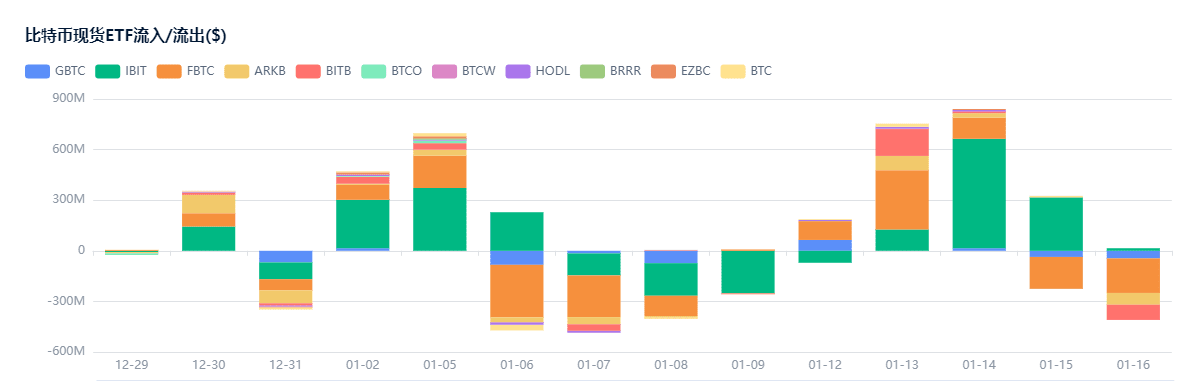
● U.S. Bancorp has restarted its institutional Bitcoin custody program, and Citigroup and State Street Bank are also exploring cryptocurrency ETF custody partnerships. The 'selling point' for these new custodians is very clear: 'Would you like to have 85% of ETF capital flows rely on a single counterparty?'
● For Coinbase, more ETFs mean more revenue, increased regulatory scrutiny, and higher risks of 'a single operational error triggering panic across the entire industry.' This concentration of custody creates potential systemic risks; if issues arise, it could affect the asset security of the vast majority of cryptocurrency ETFs globally.
Five, The Upcoming Wave of Eliminations
● Seyfarth predicts that a wave of liquidations for cryptocurrency ETFs will come by the end of 2026 or the beginning of 2027. Dozens of ETFs are liquidated each year—funds with assets below $50 million typically close within two years as they struggle to cover costs.
● The most vulnerable products include high-fee repeat single-asset funds, niche index products, and thematic products. The fees for the newly launched Bitcoin ETF in 2024 have been reduced to 20-25 basis points. As the market becomes crowded, issuers will further lower the fees for flagship products, making high-fee repeat products lose competitiveness.
● For illiquid, high-tracking-error niche index products and thematic products where the underlying market changes faster than the ETF structure adjustments, survival will be particularly difficult. In contrast, for Bitcoin, Ethereum, and Solana, the situation is the opposite: more ETF products will deepen their 'spot-derivative linkage', narrow price spreads, and solidify their status as 'core institutional collateral.'
Six, Global Implications of the Iranian Case
The phenomenon of large-scale Bitcoin withdrawals by the Iranian people is not an isolated case. Chainalysis's report indicates that this trend is consistent with other regions undergoing wars, economic crises, or government repression globally.
● The increase in Bitcoin withdrawal volumes during wars, economic turmoil, or strong regulatory environments is a global phenomenon. For many Iranians, Bitcoin and other digital assets are becoming a form of 'financial buffer', providing relatively controllable liquidity options in constrained environments.
● It is noteworthy that, as high-level officials in Iran have massively transferred funds abroad, some privacy-concept tokens in the cryptocurrency market have experienced astonishing price increases. XMR reached an all-time high, touching $800 at one point. DASH's price increased by over 120% in the last 7 days, and DCR rose nearly 70%.
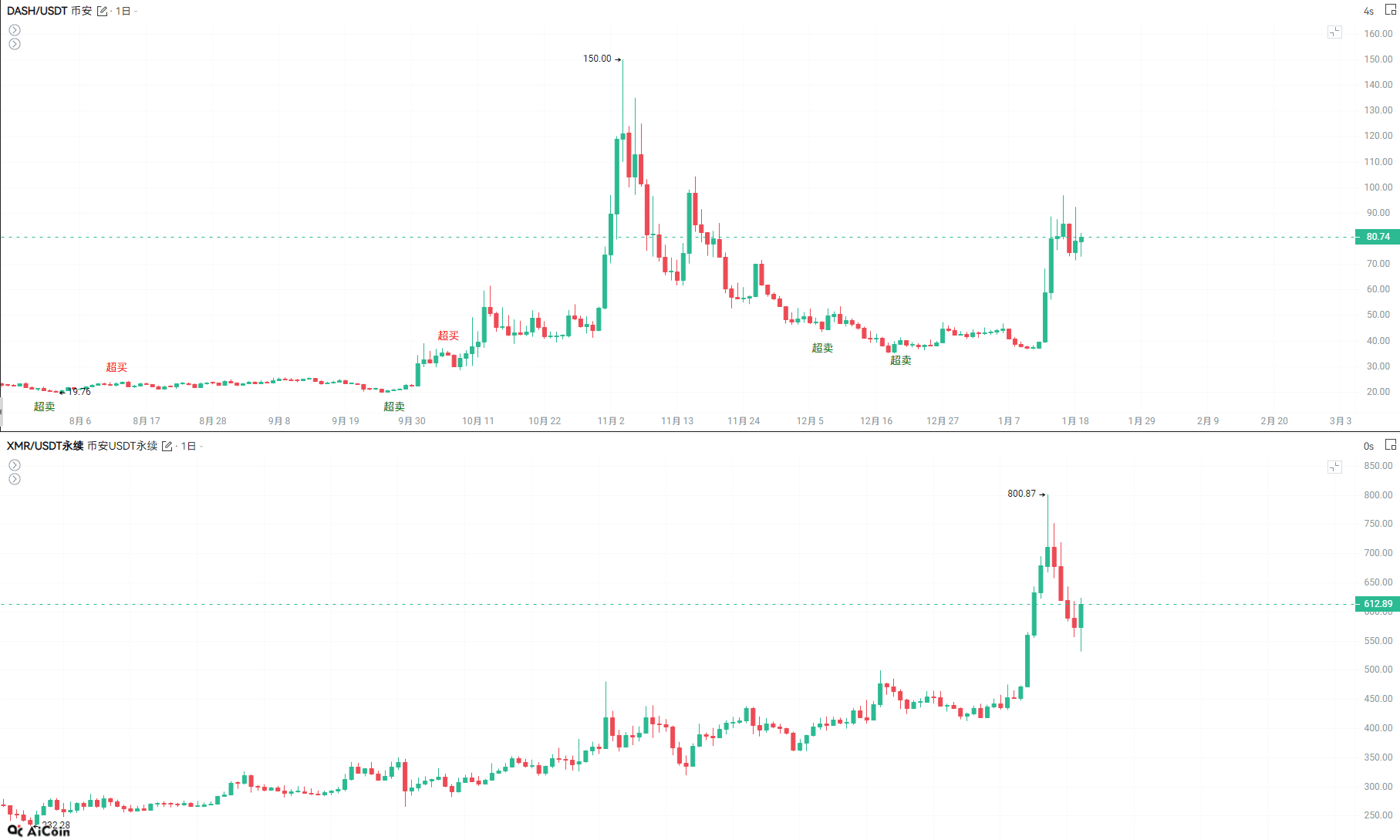
● Although there is no clear evidence showing a direct relationship between the rise of privacy-concept tokens and the outflow of funds from high-ranking Iranian officials, the temporal overlap is also worth noting for industry participants.
Seven, The Future Role of Bitcoin
● K33 Research holds a constructive bullish outlook for 2026, predicting that Bitcoin will outperform stock indices and gold. They expect that in the first quarter of 2026, broader crypto legislation will be signed into law through the (Clarity Act).
● The institutional side is about to explode: Morgan Stanley plans to allow advisors to allocate 0-4% of Bitcoin ETF for clients starting January 1, 2026, and E*Trade's retail crypto trading is expected to go live in the first half of 2026. In terms of specific data forecasts, net inflows into ETFs in 2026 are expected to exceed those in 2025.
● In terms of corporate finance, it is predicted that MicroStrategy will not sell Bitcoin, and the net absorption of Bitcoin in the entire industry is expected to be 150,000 BTC, a decrease of 330,000 BTC year-on-year. The supply side predicts that the supply of Bitcoin held for more than two years will end its decline and rebound to over 12.16 million BTC by the end of the year, with early selling pressure dissipating and turning into net buyer demand.
● With the opening of 401(k) plans, the market will see a huge potential buying spree based on different allocation weights ranging from 1% to 5%.
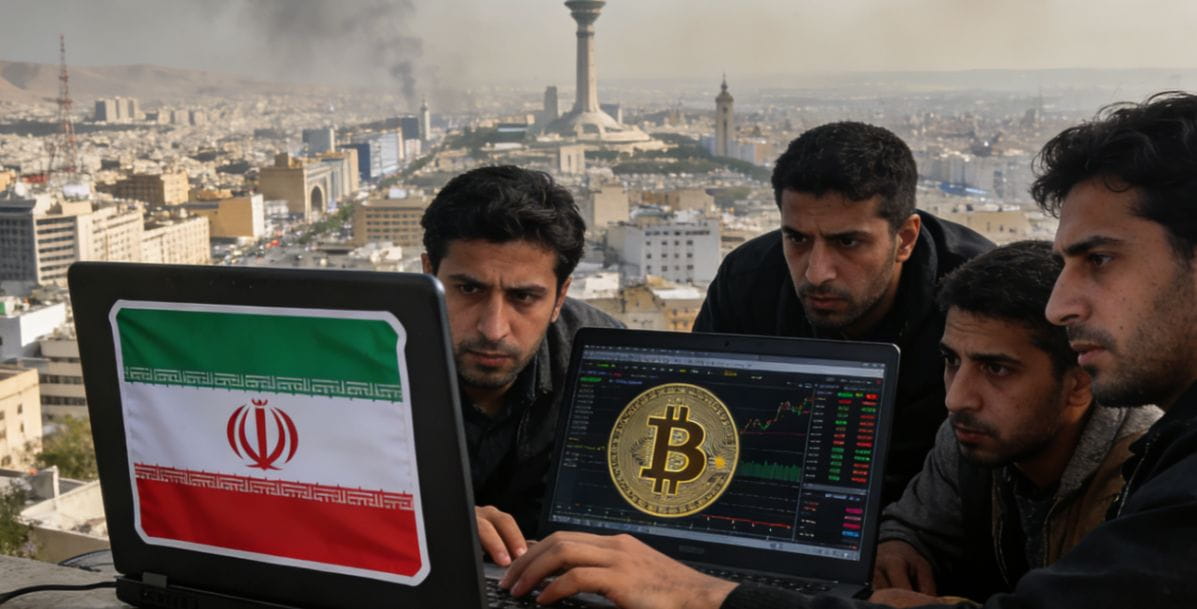
As Iranians take to the streets and exchange their devalued rials for Bitcoin via their smartphones, Wall Street traders are adjusting their risk models for the hundreds of cryptocurrency ETFs set to launch next year.
The financial behaviors of two worlds converge on the blockchain, with Bitcoin prices touching $97,694 during intraday trading on January 14, 2026, marking the highest level since mid-November.
Whether ordinary citizens in Tehran or institutional investors in New York, they are redefining this digital asset that emerged in 2009 in their own ways—it has simultaneously become a shield against sovereign currency collapse and a darling of the traditional financial system.