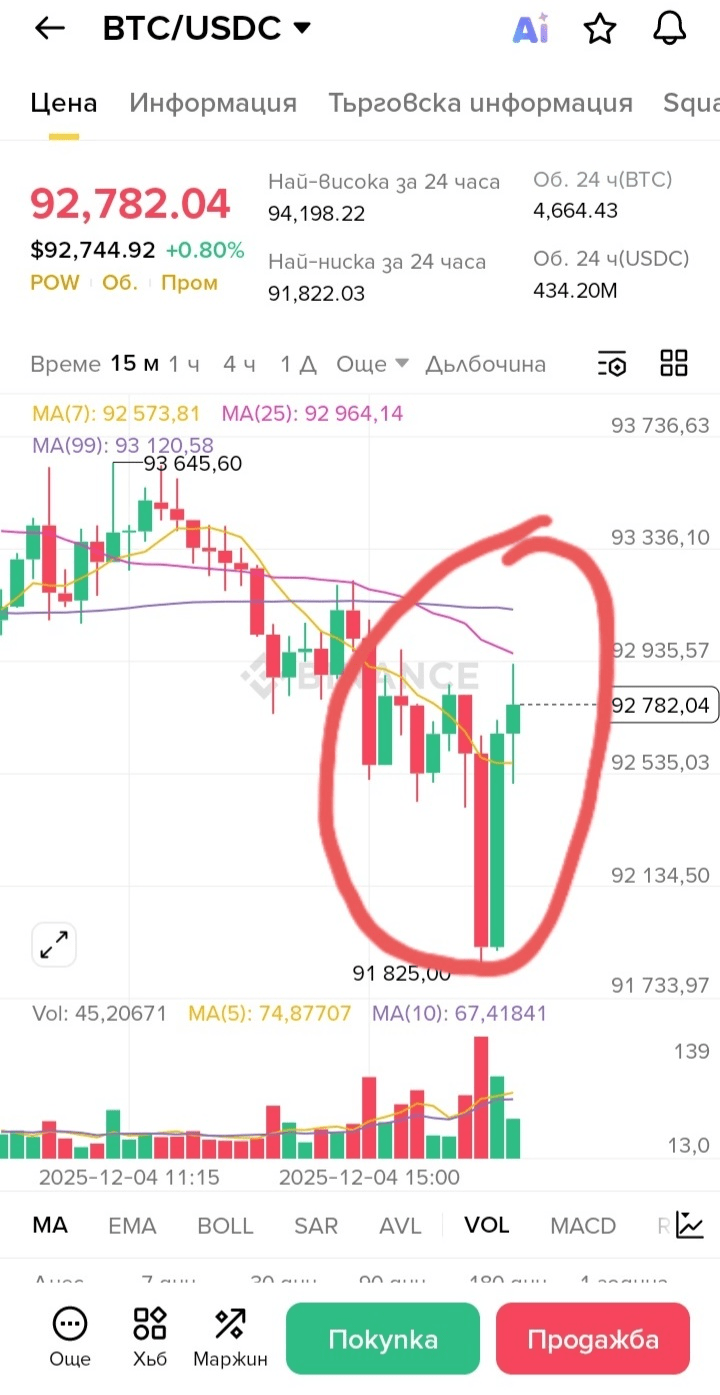
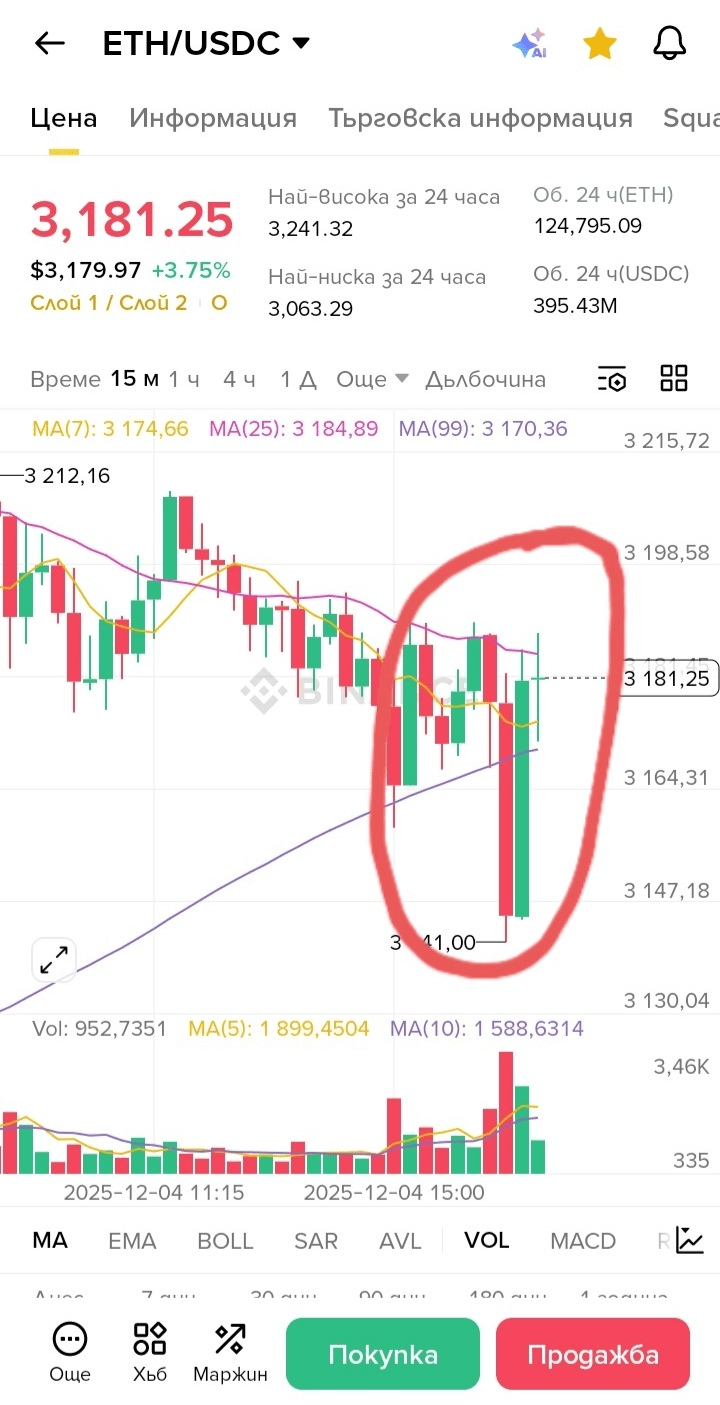
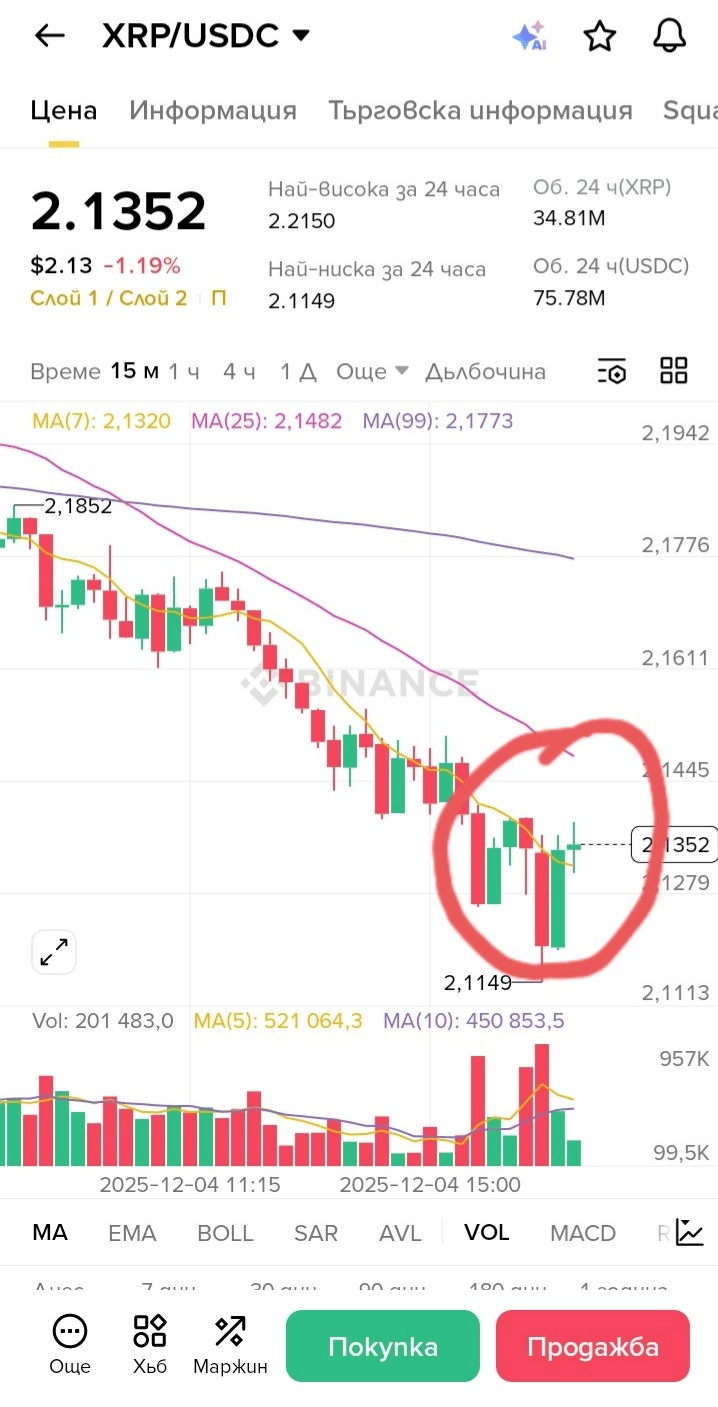
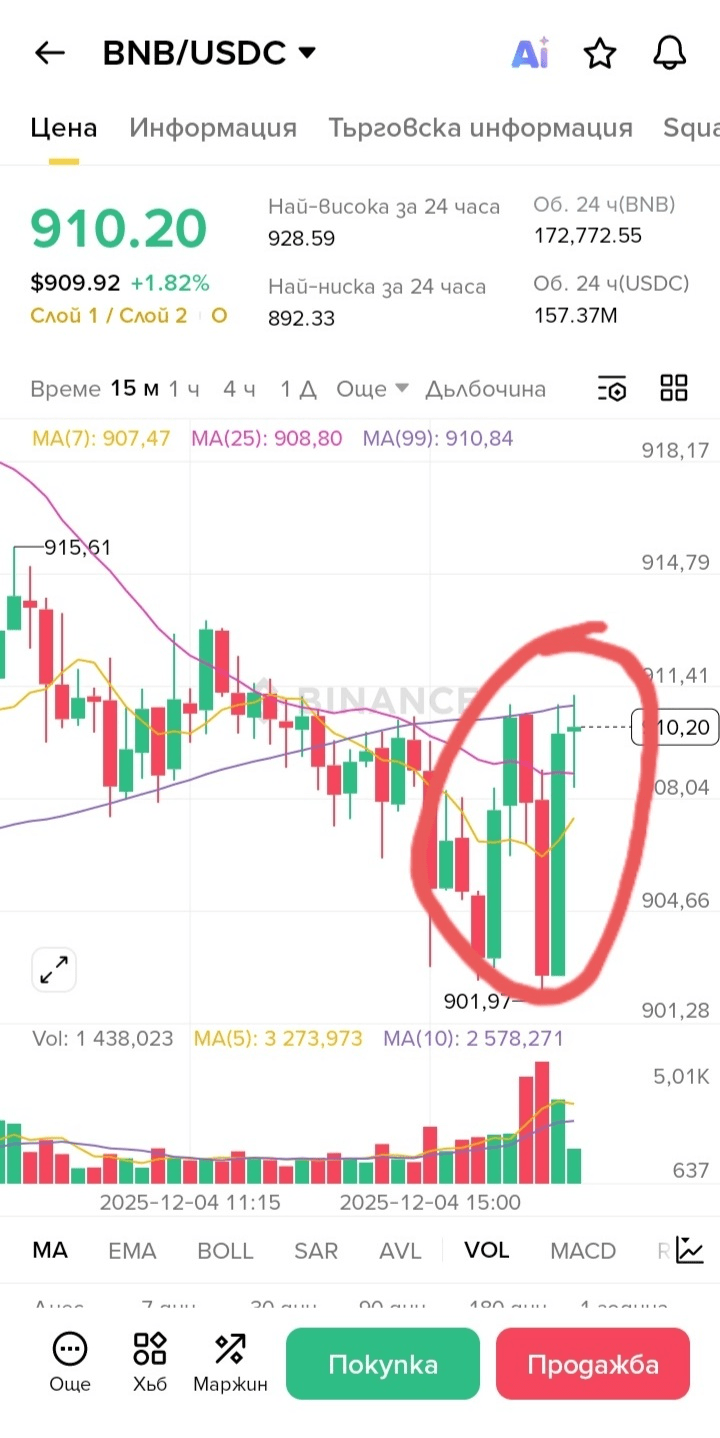
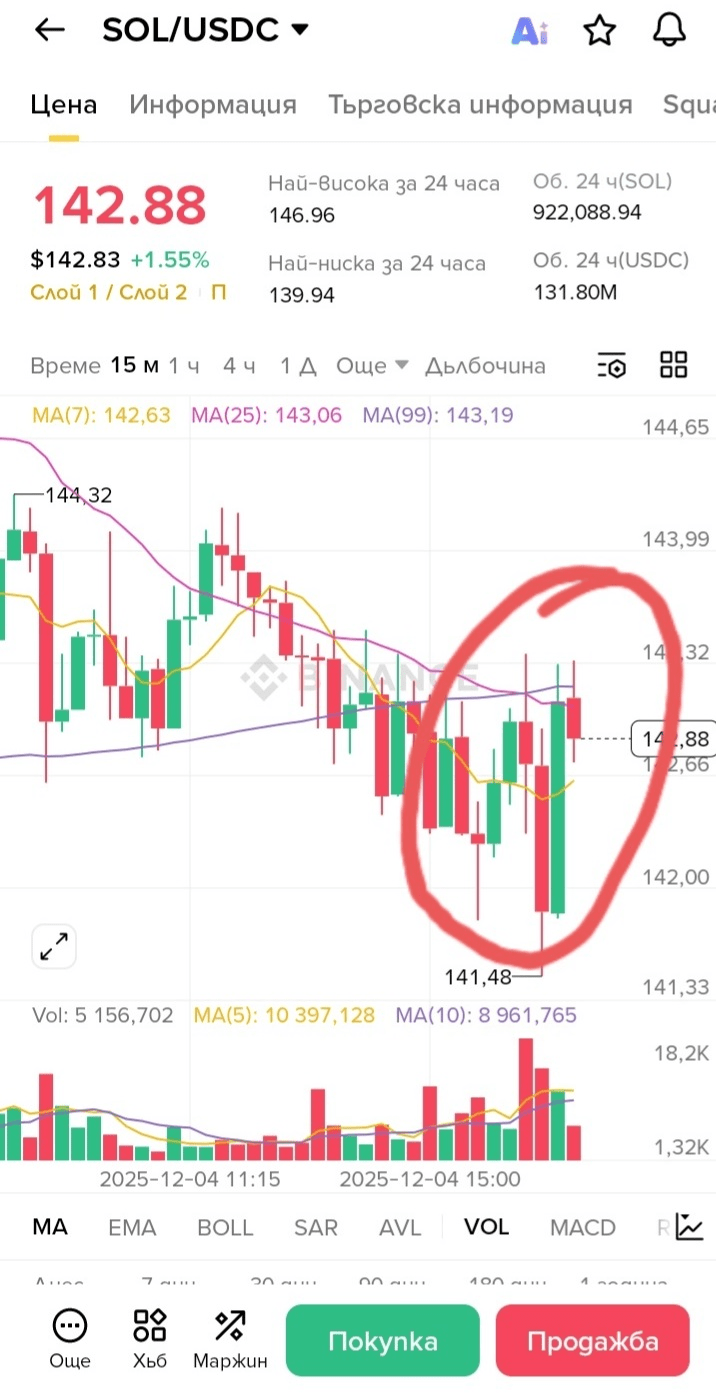
In a world where financial markets should reflect the free play of supply and demand, something strange is happening. You look at the charts; the five largest currency markets, seemingly independent of one another, are painting almost identical candles, minute by minute, hour by hour.
Is this the reality they are convincing us to accept?
Or are we watching a carefully staged spectacle?
Coincidence? Unlikely.
Financial analysts have been claiming for years that the markets are chaotic, unpredictable, and driven by millions of individual actions worldwide.
But when chaos starts to resemble copy-paste, then the questions become inevitable.
How is it possible for different currency pairs, with different economies behind them, to move as if in the same choreography?
If this is 'normal', why does no one explain it convincingly?
Manipulation or just algorithmic dominance?
Of course, there is no evidence of dark rooms, secret cartels, or global market conductors.
But there is one fact that no one can deny:
today a huge percentage of trading is done by algorithms that react in milliseconds.
If a few giant institutions use similar algorithms…
If they analyze the same signals…
If they act at the same time…
The result may be horrifically simple:
a market that seems 'natural', but moves like a synchronized mechanism.
The crypto market, the new suspect?
While traditional currencies astonishingly align in their behavior, the crypto world often presents even stranger anomalies.
Booms without reasons.
Corrections without explanation.
And this painfully honest thought: 'What if this has never been a free market?'
Is crypto a controlled scam?
No one can state it as a fact, but it is increasingly asked as a question.
The big truth that no one wants to pronounce.
Maybe the markets are not manipulated.
Maybe they are just centralized in the hands of a few players, algorithms, and liquidity pools that dictate the rhythm so that we don't even realize it.
But when five different markets move as one body, in the same way, at the same moment…
Then 'coincidence' just doesn't sound convincing enough.