As an analyst who has been deeply involved in the cryptocurrency field for many years, I sense the anxious atmosphere in the air. This is not ordinary volatility, but a liquidity storm that could reshape the global capital landscape. The $12 trillion pool of funds on Wall Street is on the brink of exhaustion, and tonight's decision by the Federal Reserve may directly ignite the next flashpoint in the cryptocurrency market. My view is clear: we are at a critical turning point, where both opportunities and risks are unprecedentedly magnified.
My core observation: the liquidity crisis is at the gates.
The current market panic is not unfounded. Data shows that the core liquidity indicators of the U.S. money market have deteriorated to critical levels—overnight reverse repos have plummeted by more than 80%, which is equivalent to the financial system's 'reservoir' nearing depletion. Interbank lending costs have quietly risen, while Treasury issuance continues to accelerate, and this 'supply-demand imbalance' has been sharply amplified during the year-end institutional assessment period. It is noteworthy that this is the first time the Federal Reserve faces such severe tests after shrinking its balance sheet, and many traditional models may fail, leading to a sharp increase in uncertainty.
From a crypto perspective, this macro pressure has already visibly transmitted: recently, some funds have flowed out of the digital asset space for urgent needs, which is a shadow of liquidity tightening. But crises often come with opportunities—if the Federal Reserve is forced to pivot, a new wave of funds may first rush into high-volatility assets.
Key breakdown: Tonight's three paths of the Federal Reserve and their relation to crypto.
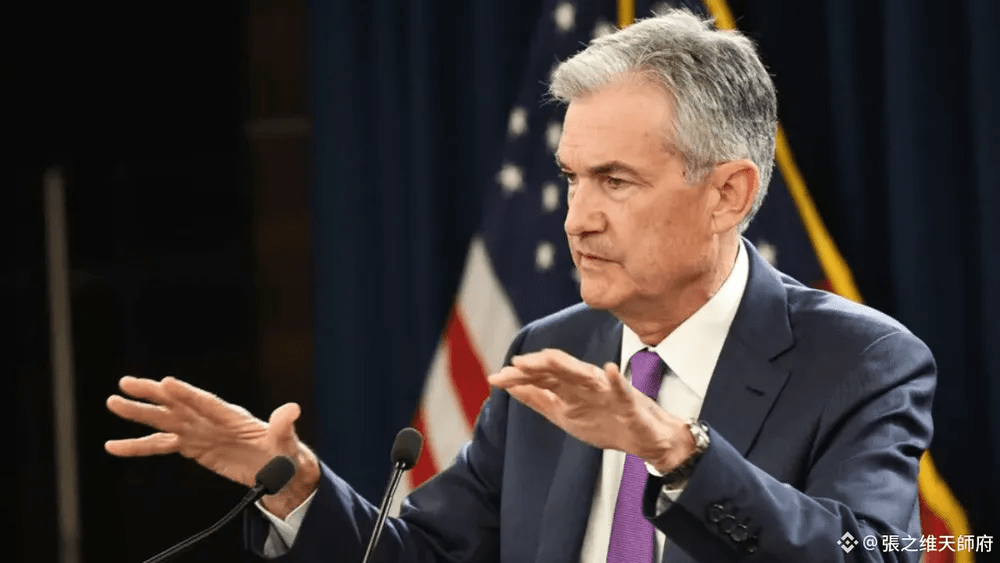
The focus of tonight's meeting is not 'whether to cut interest rates,' but how to unblock liquidity. I believe Powell's team must face three questions, and each choice will have a chain reaction on mainstream assets like BTC and ETH.
1. The possibility of restarting asset purchases (i.e., a disguised 'easing'): If the Federal Reserve announces a buyback of government bonds, it will be a significant policy shift signal. Historical experience shows (like after the crisis in September 2019) that such actions often temporarily boost risk assets. For the crypto market, improved liquidity expectations may drive prices to bottom out and rebound, especially for larger market-cap tokens.
2. The trade-off in bond purchase maturity structure: If long-term government bonds are purchased, it suggests deep concerns about the economy, which could benefit safe-haven assets; if focusing on short-term government bonds, it is more about market immediate liquidity, or could stimulate speculative funds to return to the crypto space faster. My technical analysis shows that BTC has been repeatedly testing key support levels recently, and the choice of direction may be closely related to this.
3. The urgency of upgrading lending tools: Any measures that enhance interbank financing capabilities will alleviate the market's 'cash thirst'. However, if the plan lacks strength, it could lead to panic spreading, triggering cross-asset sell-offs. Due to the 24/7 trading characteristics of the crypto market, it often reacts first—be wary of short-term volatility spikes.
Personal strategy viewpoint: How to layout for potential changes.
• Scenario One (Strong intervention by the Federal Reserve): If unexpected liquidity support is announced, pay attention to structural rebound opportunities in mainstream crypto assets. Focus on whether BTC can stabilize above the $40,000 mark and the strength of ETH's correlation.
• Scenario Two (Moderate or vague plan): The market may respond with disappointment, putting pressure on risk assets. It is advisable to prioritize reducing high-leverage positions and to monitor liquidity indicators such as stablecoin premiums, waiting for market sentiment to release before seeking opportunities.
• Long-term perspective: Regardless of tonight's outcome, the restructuring cycle of macro liquidity has begun. The correlation between crypto assets and traditional finance is increasingly strengthening, and flexible positions should be reserved in allocations to respond to volatility.
Remember: staying calm in uncertainty is the hallmark of a seasoned player.
Tonight, I will track the Federal Reserve's statements and market reactions in real-time, and share my in-depth interpretations and on-chain data insights at the first moment. If you want to seize the opportunity in this macro change, click to follow my channel—analysis in the next 24 hours may define your key decisions for next year's layout.
Thought question: Do you think this round of liquidity crisis will accelerate the traditionalization of crypto assets, or reinforce their hedging alternative properties? Leave your insights in the comments, and I will select three readers to share my volatility trading model for free.