
Imagine this:
The hottest darlings of the stock market—NVIDIA, Amazon, and other 'seven giants'—have suddenly become yesterday's news.
Instead, top strategists on Wall Street are quietly recommending low-key sectors like healthcare, industrials, and energy as preferred investment targets for 2026.
This sounds like a plot twist from a financial thriller? But it's true, and it may signal that the economy is about to enter a more accommodative and growth-friendly phase! 🔥🔥
The rotation storm shaking investment portfolios
Strategists from Wall Street giants like Bank of America and Morgan Stanley are urging investors to pull out of overvalued tech giants and shift towards these 'less popular' sectors.
In healthcare, providing stable demand for pharmaceuticals and medical devices; in industrials, supporting factory and infrastructure construction; in energy, covering everything from oil to renewable energy.
Why the sudden preference for these 'cyclical' and defensive sectors?
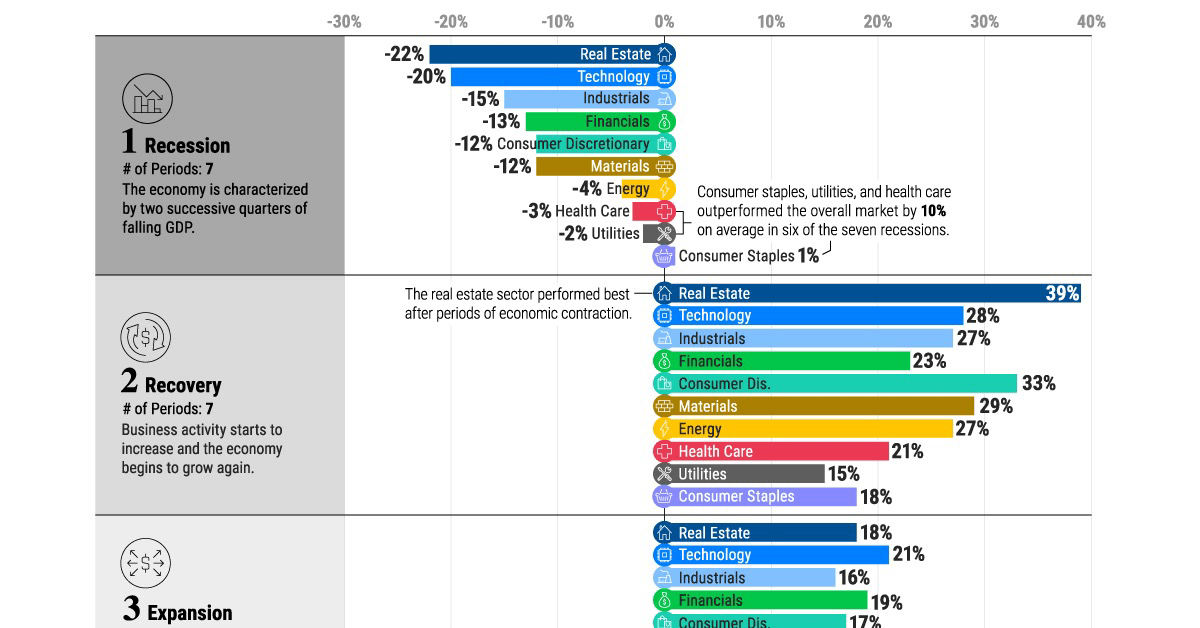
The reason is simple: the AI boom has driven the valuations of the 'Big Seven' to soar, but cracks have begun to appear, and speculative spending may slow down.
Morgan Stanley predicts overall optimism in the U.S. stock market, with the S&P 500 index potentially reaching 7800 points by the end of 2026, up 14%, thanks to AI capital spending, easing policies, and an economic 'rolling recovery.'
They are optimistic about small-cap stocks, cyclical stocks, and even cryptocurrencies performing well, expecting growth to spread to more sectors rather than just being limited to big tech companies.
American banks share a similar view, expecting a 14% growth in S&P earnings, but caution that if the Fed reduces interest rates or economic volatility occurs, the increase may be limited.
Investors have begun to act, selling winning stocks and snapping up essentials—because regardless of the economy, people always need healthcare, machinery operation, and energy supply. This is not a fleeting trend but a strategic response to concentrated risk, with the 'Big Seven' now occupying a market share as high as 35%.
Does this mean the economy is about to become more accommodative?
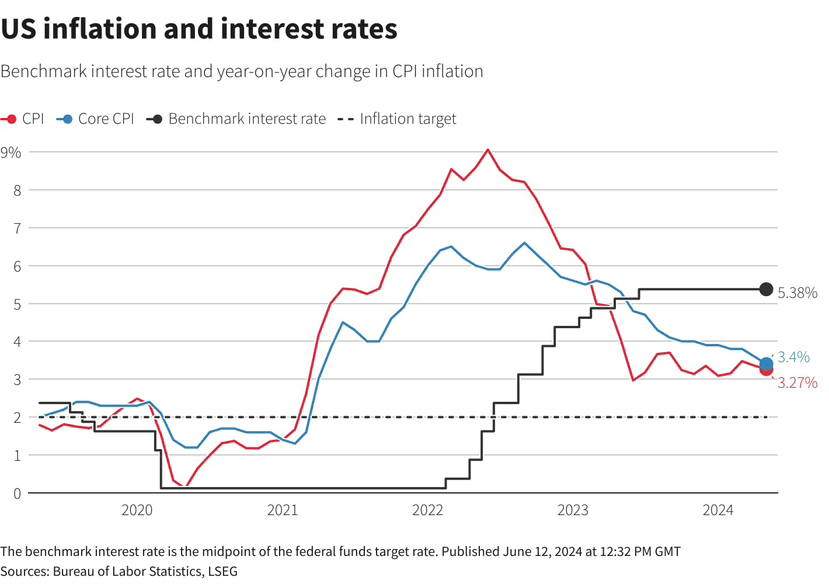
That's right, that's the most exciting part! This rotation strongly suggests that the market anticipates a more accommodative economic cycle.
Cyclical sectors like industrials and energy thrive in a low-interest-rate environment—borrowing costs decrease, capital spending increases, and growth accelerates. The Fed may continue to cut rates or maintain a dovish stance in 2026, stimulating the economy, and these sectors will shine.
Morgan Stanley experts believe that fiscal stimulus, monetary easing, and regulatory relief will create a perfect storm, driving risk assets higher, shifting from macro concerns to micro victories.
But don't rush to pop the champagne—risks still lurk.
Don't get too comfortable; if inflation rebounds due to tariffs or other factors, policy may shift towards tightening. Investment always carries uncertainty, and future data such as employment reports or Fed decisions will be key validations. However, from the current Wall Street consensus, this significant shift strongly hints at signs of economic easing.
Are you ready to adjust your investment portfolio?
Now is the time to ambush the powerful community-driven Doge🔥coin🔥 puppy❤️❤️❤️P~U~P~P~I~E~S 💪💪💪
#美联储降息 #加密市场反弹 #美联储FOMC会议 #加密市场观察 #美联储降息预期升温


