

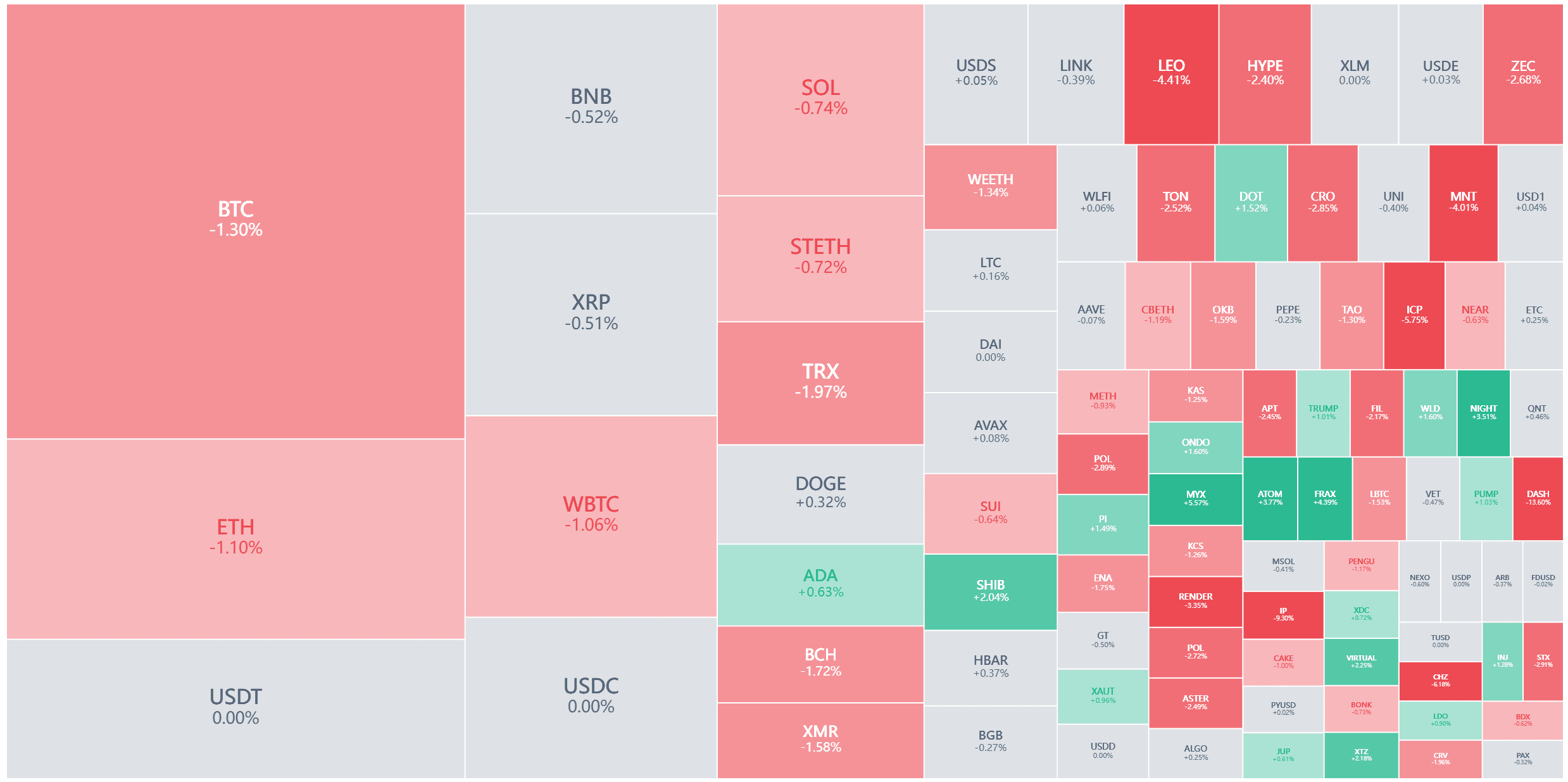
At the moment Bitcoin rapidly fell from $95,000 to below $92,000, more than 250,000 traders received liquidation alerts simultaneously, and the market instantly evaporated $680 million. The cause of all this was surprisingly a political game far away in Greenland.
 1. Event Review
● On the morning of January 19, 2026, the global cryptocurrency market experienced a thrilling flash crash. Bitcoin plummeted from around $95,000 to $91,900 within an hour, a drop of over 3%.
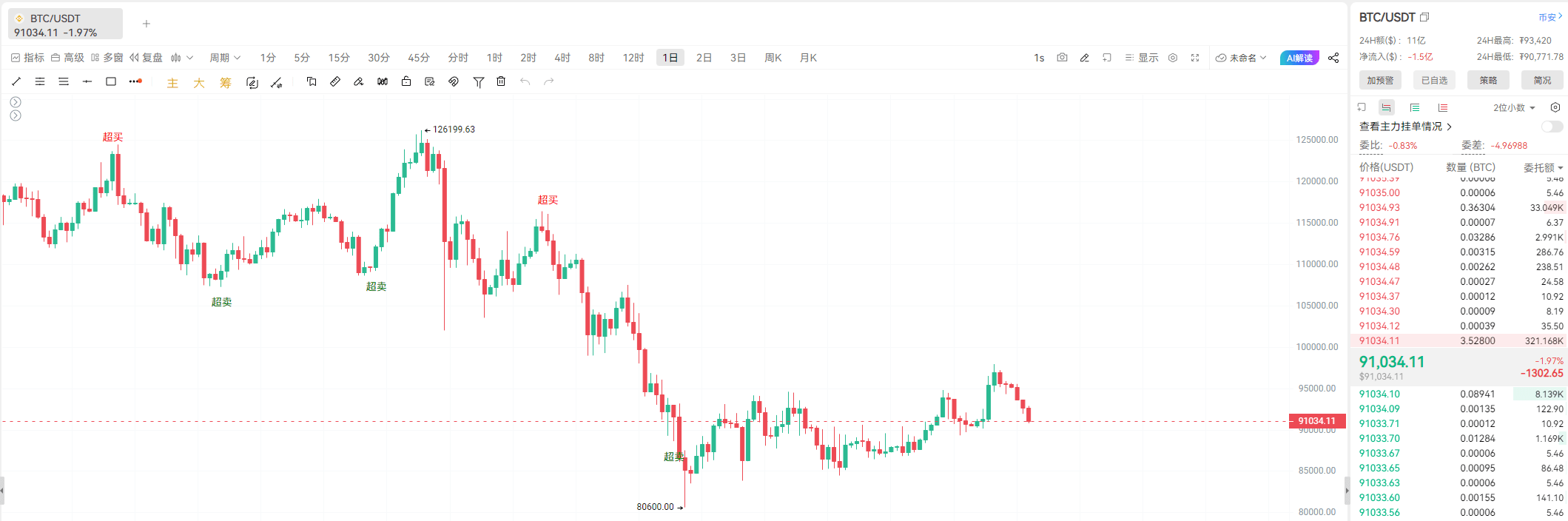
● Meanwhile, Ethereum lost the $3,200 mark, and SOL dropped by over 6%, almost wiping out all gains for the year. Market data shows that in just the first hour of the crash, the total liquidation amount reached $551 million, with long positions accounting for as much as $533 million.
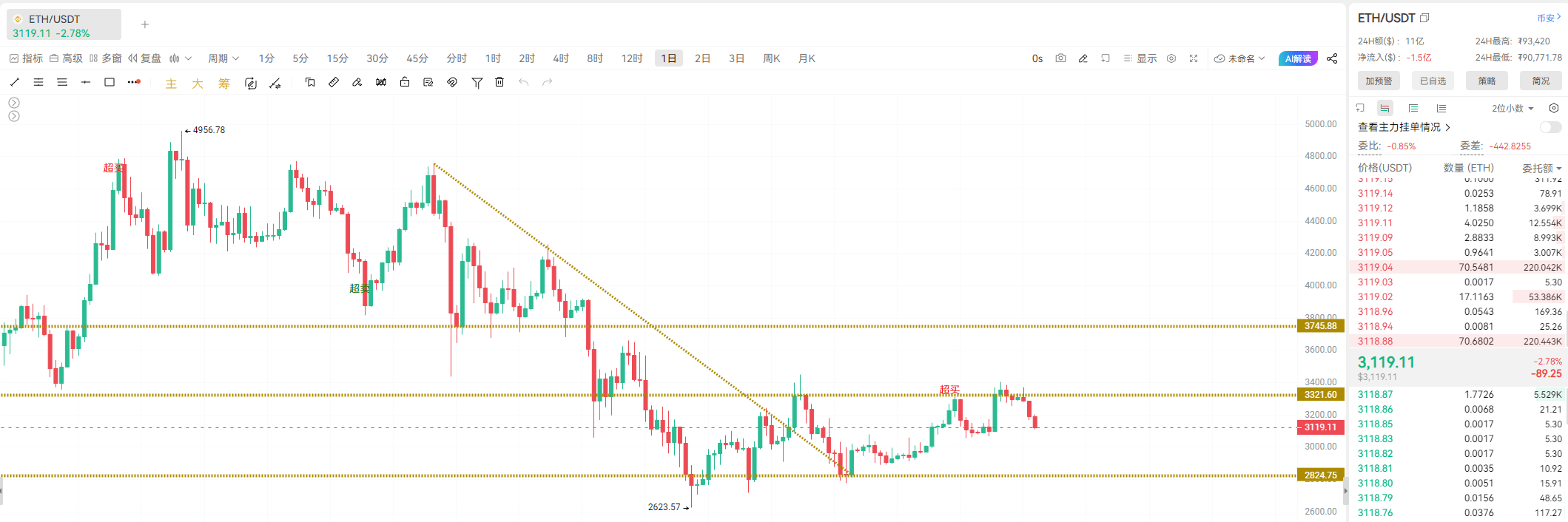
● As of that day, over $680 million in cryptocurrency positions were liquidated in the past 24 hours, with about $600 million coming from long positions. This sudden market turbulence forced over 250,000 traders to be liquidated in an instant.
II. Uncertainty in Geopolitics and Policies
● The immediate trigger for this market flash crash came from the escalation of geopolitical tensions. On January 17, former U.S. President Donald Trump announced via social media that starting February 1, tariffs on goods from eight European countries, including Denmark, Norway, Sweden, France, and Germany, would be increased by 10%.

● What is more concerning is that he further threatened that if Europe does not "cooperate with the United States" on the issue of control over Greenland, tariffs will be increased to 25% on June 1. This statement quickly triggered a strong reaction from the EU, which has already begun discussions on launching "anti-coercion tools" to impose counter-tariffs on up to €93 billion worth of U.S. goods.
○ The market response was extremely swift and genuine: Bitcoin crashed by 3.8%, Nasdaq index futures fell by 1%, while traditional safe-haven assets like gold and silver reached all-time highs. Funds made a choice in an instant: fleeing risk assets.
● In addition to the threat of a trade war, the uncertainty surrounding the selection of the Fed chair has also added variables to the market. The market originally expected the relatively dovish White House economic advisor Kevin Hassett to assume the next Fed chair position.
○ But the latest signs indicate that his win rate has dropped from a previously even level to about 15%-16%. Meanwhile, the probability of former Fed governor Kevin Walsh, who has a more hawkish stance, taking over has surged to about 60%.
III. Market Vulnerability: High Leverage and Structural Flaws
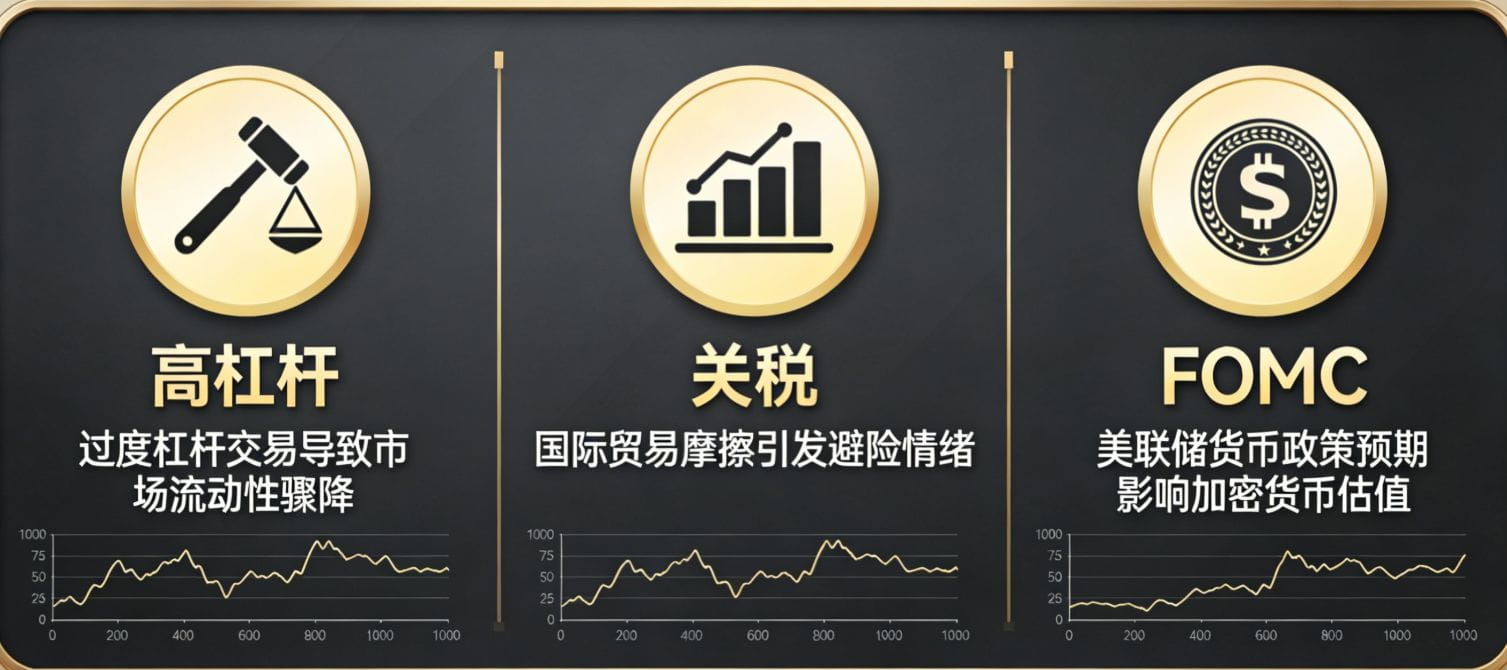
● Although external events are the trigger, the structural flaws within the cryptocurrency market have amplified the magnitude and speed of this decline. The cryptocurrency market has three "original sins": 24-hour trading, high leverage, and low liquidity on weekends.
These characteristics have made the cryptocurrency market the first "risk asset" that investors sell off when macro risks rise.
● More importantly, the market has accumulated a large number of high-leverage long positions. Before the flash crash, Bitcoin attempted multiple times to break through the $98,000 level, attracting many investors to establish high-leverage bullish positions.
● Once the price breaks below the key support level of $95,000, it triggers a chain of stop-loss orders, creating a cascading effect that accelerates the price decline.
● On-chain data reveals an interesting phenomenon: on the eve of the flash crash, assets worth hundreds of millions of dollars were withdrawn en masse from exchanges, indicating that professional institutional investors may have already completed risk hedging through methods such as purchasing put options.
IV. Institutional Views: Cautious Interpretation of Market Trends
In the face of this market turbulence, various institutions and analysts have provided different interpretations.
● Jane Free of Rabobank noted that while the market has not experienced widespread panic, safe-haven demand remains strong, which may drive traditional safe-haven assets like gold to continue rising.
● Michael Brown of Pepperstone believes this is Trump's usual negotiation strategy: first creating market volatility through extreme threats and then seeking compromise to ultimately reach an agreement.
● Richard Galvin, co-founder of hedge fund DACM, analyzed that the rebound in the cryptocurrency market at the beginning of the year stemmed from last year's overselling, while recent tariff concerns have dampened this rebound. The rise in gold prices to all-time highs also confirms that this sell-off is more about risk aversion than fundamental issues with cryptocurrencies themselves.
● However, some institutions hold a more cautious attitude. CryptoQuant pointed out in its weekly report that Bitcoin is currently still below the 365-day moving average line around $101,000, a price level traditionally seen as a dividing line for market trends.
Despite a slight improvement in demand conditions, there has been no substantive change, and spot demand is still shrinking, with inflows into the U.S. spot ETF remaining limited.
V. Impact of the Regulatory Environment
● In addition to macro factors and internal market issues, the uncertainty in the regulatory environment has also put additional pressure on the cryptocurrency market. The Senate's planned discussion on the cryptocurrency market structure bill was postponed, which the market interprets as a divergence between Congress and the industry on key issues.
● Key points of contention in the bill include the yield mechanism for stablecoins, DeFi provisions, and more. Alex Thorn, head of research at Galaxy Digital, believes the delays indicate deep divisions between the two sides on these issues.
● The delay in the regulatory agenda has increased uncertainty in the market. When rules are unclear and timelines are extended, investors naturally become more cautious and reduce their positions. Hearings may not occur until the period of January 26-30 at the earliest, meaning regulatory uncertainty will persist in the short term.
VI. Market Outlook
● Ryan Lee, chief analyst at Bitget, expects Bitcoin to maintain a range-bound oscillation in the second half of January, with support possibly forming around $85,000. He pointed out that increasing macro uncertainty, combined with profit-taking after significant previous gains, has led investors to adopt a more cautious strategy across various markets.
● It is noteworthy that the cryptocurrency market has shown significant weakness compared to other risk assets. Despite trade concerns between the U.S. and Europe dominating market sentiment, risk assets like the South Korean KOSPI have remained flat or even risen. This indicates that there are clear internal weaknesses within the cryptocurrency market, with investors preferring to allocate to other risk assets.
● Min Jung of Presto Research analyzed: "In the context of most markets rising, cryptocurrency assets are still the laggards."
On-chain data shows that over 110,000 Bitcoins have been absorbed by long-term addresses this month. While the market is experiencing panic selling, another group of investors is quietly increasing their positions. $90,000 has become the focal point of attention in the market, with panic sellers and quiet accumulators existing simultaneously.


